White Bass Crappie Catch on Lake Lewisville TX
White Bass and Crappie Fishing in Lake Lewisville - What to Expect

Guided Fishing Trip by Guide Chris Daugherty in November
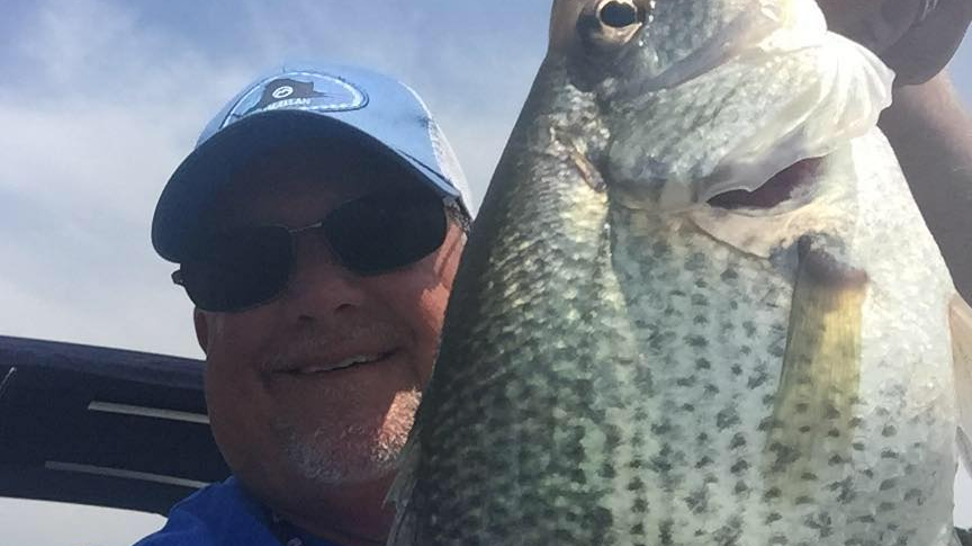
- Reel Adventure With Lewisville Lake Fishing Guide!


Summary
Experience a guided fishing trip on Lake Lewisville with Chris Daugherty of Lakeside Guide Service on a Wednesday in October. This adventure targets White Bass, Crappie, and White Perch - three species that thrive in the lake's dynamic ecosystem. Learn techniques for finding and landing these popular freshwater fish in one of Texas's premier fishing destinations.
Guided Fishing with Chris Daugherty - Rates & Booking
Guide Chris Daugherty of Lakeside Guide Service offers guided fishing trips on Lake Lewisville targeting White Bass, Crappie, and White Perch. As a licensed guide with local expertise on the lake's structure and seasonal patterns, Chris provides instruction tailored to your skill level and fishing goals. Contact Lakeside Guide Service to book your guided trip, ask about group rates, and confirm what gear and licenses are included with your package.
Highlights of Lake Lewisville Fishing
Lake Lewisville is a 29,000-acre reservoir known for consistent populations of White Bass, Crappie, and White Perch. The lake's clear waters, varied bottom structure, and productive spawning areas create excellent opportunities for multiple species in a single trip. Fishing here combines strategy with action - you'll learn to identify where different species hold at various times of year and how to adjust your presentation accordingly.
What makes this fishery special is the diversity. On any given outing, you might encounter aggressive White Bass schooling in shallow flats, suspended Crappie holding near submerged timber, and White Perch feeding in deeper channels. This variety keeps the experience engaging and teaches you to adapt your techniques throughout the day.
Local Species Insights: White Bass, Crappie, and White Perch
White Bass are aggressive pursuit feeders that school actively, especially in spring and fall. They inhabit both shallow and deep zones depending on season and forage availability. On Lake Lewisville, White Bass respond well to light tackle and artificial lures that mimic shad and small baitfish. These fish are known for explosive strikes and strong runs, making them exciting for anglers of all experience levels.
Crappie behavior follows different patterns than White Bass. Both black and white Crappie species inhabit the lake and prefer structure - submerged trees, brush piles, and rocky drop-offs where they hunt smaller fish and crustaceans. Crappie require more precise presentations and often demand patience, but they reward careful anglers with excellent table fare and consistent catches. Guide expertise in locating these structural zones becomes invaluable, as finding Crappie means understanding the lake's underwater topography.
White Perch occupy a middle ground between the two species. They're slightly more aggressive than Crappie but less schooling-oriented than White Bass. White Perch inhabit moderate depths and edges, showing preference for areas with moderate current and cover. They feed on small fish and insects, making them responsive to both live bait and small artificial presentations.
Understanding how these three species interact with Lake Lewisville's environment helps you anticipate where and when you'll find them. The lake's thermocline, seasonal spawn patterns, and forage base all influence daily location and behavior. A guide like Chris Daugherty uses this knowledge to position you for success, teaching you the reasoning behind each decision so you understand the why behind the where.
Plan Your Fishing Day
Most guided fishing trips on Lake Lewisville begin early, positioning you on prime feeding zones at first light when White Bass and Crappie are most active. Your guide will assess conditions, check the water temperature and clarity, and select techniques based on what the fish are doing that day. Bring appropriate layers, sunscreen, polarized sunglasses, and water - these essentials keep you comfortable and effective on the water.
Group trips accommodate multiple anglers, allowing you to share the experience with friends or family. The lake's size means you can fish different zones in a single trip, experiencing the variety that makes Lake Lewisville special. Confirm with Lakeside Guide Service whether your trip includes tackle, licenses, and whether any meals are provided.
Fishing in Lake Lewisville: White Bass, White Perch and Crappie
White Bass Overview
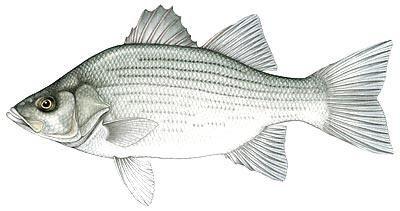
The White Bass (Morone chrysops) is a member of the Moronidae family within the order Perciformes, and it's one of North America's most beloved freshwater game fish. Also known as Sand Bass or Silver Bass, this spirited fighter is instantly recognizable by its silvery-white to pale green coloring, darker back, and distinctive narrow dark stripes running along its white belly and sides. What makes the White Bass truly special is its reputation as an aggressive and hard-fighting catch that delivers both excitement and exceptional table fare. In fact, it's the state fish of Oklahoma and has become a significant sport fish in Manitoba since its introduction there in the 1960s. Whether you're a seasoned angler or a curious outdoor enthusiast, the White Bass represents an authentic fishing experience that combines natural beauty, thrilling action, and genuine culinary reward.
White Bass Habitat and Distribution
White Bass thrive in a wide range of freshwater environments across North America, with the largest populations found in the Midwest and Great Lakes region. These fish are fairly distributed throughout the United States, with particularly strong populations around Lake Erie and Pennsylvania. Native populations inhabit Lake Poinsett, the Detroit River, Arkansas River, the Great Lakes system, and the Red River drainage, with additional populations in Wisconsin's Winnebago lakes and throughout Mississippi River systems. They prefer large rivers, shallow reservoirs, streams, and creeks—environments where they can find adequate prey and spawning grounds. White Bass typically congregate in schools upstream where prey density runs high, making them predictable targets for anglers who understand their movement patterns. Their adaptability has allowed them to establish strong populations in many reservoirs and impoundments across the country, making them accessible to recreational fishers in diverse geographic regions.
White Bass Size and Weight
White Bass typically measure between 10 to 12 inches in length, though exceptional specimens have been recorded at 18 inches or longer. Most fish caught by recreational anglers range from 1 to 5 pounds, with average catches in the 2 to 3-pound range. Some larger individuals, particularly in well-managed reservoirs and river systems, can reach weights up to 7 pounds. Size can vary considerably depending on water body health, prey availability, and population density. In areas with abundant forage fish and lower competition for food, White Bass tend to achieve larger sizes more quickly. Understanding these typical size ranges helps anglers set realistic expectations and choose appropriate tackle for their fishing adventure.
White Bass Diet and Behavior
As a carnivorous visual feeder, the White Bass actively pursues a varied diet that includes leptodora, daphnia, cyclopoid copepods, and calanoid copepods, depending on life stage and water conditions. Adult White Bass eagerly consume small minnows, shiners, and other forage fish, making them responsive to live bait presentations. They're known for their aggressive feeding behavior and will readily strike artificial lures, particularly during active feeding periods. White Bass exhibit schooling behavior, often forming tight pods that move together through preferred habitat. They're particularly active during low-light conditions—early morning, evening, and overcast days—when they venture into shallower waters to feed. At midday, they typically retreat to deeper, cooler zones. These fish are visual hunters, so they respond well to lures that create vibration and flash. Their aggressive nature is one reason they're so popular with anglers; they rarely hesitate to strike when properly presented with the right offering.
White Bass Spawning and Seasonal Activity
Female White Bass spawn between mid-March and late May, depending on water temperature and geographic location. During this spawning period, females produce an impressive 240,000 to 930,000 eggs—a reproductive capacity that supports healthy populations in managed fisheries. The White Bass has developed an unusual mating ritual where males bump against the female's abdomen to stimulate egg release. Once stimulated, the female rises near the surface, begins a distinctive spinning motion, and releases her eggs while males simultaneously fertilize them. This behavior often creates visible surface disturbances that alert observant anglers to spawning activity. Spring fishing can be exceptional during the pre-spawn and early-spawn phases when White Bass move into shallow areas and feed aggressively to prepare for reproduction. Understanding this seasonal pattern helps anglers time their trips for maximum success and allows them to witness one of nature's most dramatic natural spectacles.
White Bass Techniques for Observation and Capture
Surface Spinner and Spoon Method: Once you locate a school of White Bass, use spinners or spoons worked along the water surface to entice aggressive strikes. Cast parallel to structure and retrieve steadily with occasional pauses. This method works exceptionally well during early morning and late evening hours when White Bass feed in shallow water. The flash and vibration of spinners and spoons trigger predatory responses, making this technique highly effective for active fish.
Artificial Jig Presentation: Small jigs (1/8 ounce) tipped with black or white marabou are excellent artificial lure choices. You can also use soft plastic lures such as tube baits, small jig heads with curly tail grubs, or 1/8 to 1/4 ounce jigs rigged with soft plastic swimbaits. Cast near structure, ledges, and drop-offs, allowing the jig to flutter and bounce along the bottom. This technique works well both day and night and gives you excellent bottom-contact opportunities. Around areas like Lake Erie and Pennsylvania, jig fishing near rocky structure and underwater humps produces consistent results throughout the season.
Night Bottom Fishing with Live Bait: White Bass often feed actively at night, making bottom fishing with live minnows or shiners highly productive after dark. Use a simple slip sinker rig with a small hook and live bait, positioning yourself near current breaks, channel ledges, or structural features. Cast and hold position, allowing your bait to work naturally. This method requires patience but often produces larger specimens and fewer competitive fish. Be prepared for aggressive strikes and keep your rod tip sensitive to detect bites in low-visibility conditions.
White Bass Culinary and Utilization Notes
The White Bass has earned an excellent reputation for its exceptional taste, making it one of the most prized eating fish in North America. The flesh is firm, white, and delicate with a mild flavor that's neither too gamey nor bland. It's versatile in the kitchen—excellent baked, pan-fried, grilled, or incorporated into fish tacos and chowders. White Bass contain healthy omega-3 fatty acids and provide solid protein nutrition. The fillets are relatively easy to prepare, and the absence of strong fishy flavors makes them appealing even to those less accustomed to eating fish. Many regions have liberal catch limits specifically because White Bass populations are healthy and abundant, making them an excellent choice for anglers seeking a rewarding culinary experience without concerns about sustainability. Whether you're a home cook or restaurant enthusiast, White Bass delivers consistent quality that justifies the effort of catching them.
White Bass Frequently Asked Questions
Q: What is the best bait for catching White Bass?
A: Live minnows and shiners are excellent choices, as White Bass are visual feeders that readily strike moving prey. Artificial lures like spinners, spoons, and small jigs also produce excellent results. The choice depends on whether you prefer live or artificial presentations and your target depth.
Q: Where can I find White Bass near Lake Erie or Pennsylvania?
A: White Bass are fairly abundant throughout Lake Erie and Pennsylvania waterways. Focus on rocky structure, drop-offs, and areas with current breaks. In reservoirs and rivers, look for schools along underwater humps and channel ledges. Early morning and evening hours near shallow feeding zones often produce the best action.
Q: Is White Bass good to eat?
A: Absolutely! White Bass has exceptional taste and firm, white, delicate flesh. It's versatile in the kitchen and works well baked, pan-fried, grilled, or in various fish recipes. The mild flavor appeals to broad palates, making it an excellent choice for family dining.
Q: When is the best time to catch White Bass?
A: Spring (mid-March to May) is peak season during spawning, when fish are actively feeding. Early morning, late evening, and overcast days are productive year-round. Night fishing can produce excellent results, particularly larger specimens.
Q: Why are White Bass considered aggressive fighters?
A: White Bass live up to their reputation with explosive strikes and determined runs once hooked. They rarely hesitate to attack well-presented lures and often jump during the fight, making them thrilling opponents for anglers of all skill levels.
Q: What regulations should I know before fishing for White Bass?
A: Each state maintains specific regulations regarding minimum size, daily catch limits, and seasonal restrictions. Always consult your local fishing regulations before pursuing White Bass to ensure compliance with current rules in your target area.
White Perch Overview
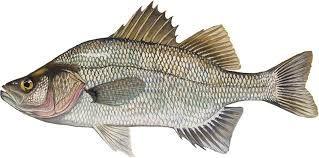
The White Perch (Morone americana) is a fascinating member of the Moronidae family within the order Perciformes, and it's one of the most accessible and exciting game fish you can encounter along the Atlantic coast. Don't let the name fool you—this silvery, dark-backed fighter is actually part of the bass family, which explains its sleek, compact body and aggressive feeding behavior. With its 3 anal spines and characteristic dorsal fin configuration, the White Perch is instantly recognizable once you know what to look for. What makes this species particularly special is its adaptability; while it thrives in brackish estuaries from Nova Scotia down to South Carolina, it's also comfortable in freshwater systems, making it accessible to anglers exploring diverse waterways and regions like the Hudson River and Chesapeake Bay.
White Perch Habitat and Distribution
White Perch are scattered throughout the western Atlantic Ocean, with their range extending from Nova Scotia all the way down to South Carolina. They absolutely love brackish waters, so your best bet for finding them is to explore tributaries and estuaries where freshwater meets the sea. The Chesapeake Bay and Hudson River are legendary hotspots where these fish congregate in impressive numbers, making them ideal destinations for both novice and experienced anglers. If you're targeting adult fish, focus your efforts on open waters close to shore. The species thrives in environments where salinity levels fluctuate, and they're equally comfortable in slightly brackish rivers with fine gravel or sand substrates. Around the Mid-Atlantic region, these fish are particularly abundant and accessible year-round.
White Perch Size and Weight
White Perch are considered small game fish, with typical catches ranging from 7 to 10 inches in length and weighing less than a pound on average. However, don't underestimate their potential—the largest White Perch ever recorded stretched to an impressive 19 inches, while the heaviest specimen tipped the scales at 3.48 pounds. These record-breakers are rare, but they prove that patience and proper technique can yield exceptional results. Most anglers find that the average fish in their cooler runs between 8 and 12 inches, which is perfect for a fun, fast-paced fishing experience.
White Perch Diet and Behavior
These carnivorous hunters are absolutely relentless in their pursuit of prey. Their diet is remarkably diverse, consisting of insects, squids, fish eggs, small crabs, and smaller fish species. What's particularly interesting is their reputation as egg-eaters—White Perch have earned a bit of notoriety in certain regions because they consume the eggs of other fish species and can outcompete native populations for both food and space. This aggressive feeding behavior makes them phenomenal game fish to pursue because they'll chase down your offerings with enthusiasm. They prefer warm water that isn't too hot, so look for shadowed areas where cooler water provides refuge. Their feeding intensity peaks during early morning and evening hours, though they'll feed actively throughout the day if conditions are favorable.
White Perch Spawning and Seasonal Activity
Here's where things get really interesting: White Perch are semi-anadromous, meaning they migrate between different water types for breeding. These fish live primarily in brackish waters but undertake impressive spawning migrations into freshwater rivers each spring. The prime spawning window occurs from April through June, when water temperatures reach the ideal range of 50 to 60 degrees Fahrenheit. During this period, large schools migrate upstream to rivers with fine gravel or sand substrates to deposit their eggs. A single female can lay between 20,000 and 300,000 eggs per spawn—an astronomical number that demonstrates their reproductive commitment. The eggs themselves are fascinating: they clump together with an adhesive quality that helps them attach securely to vegetation and rocks. After spawning, parents abandon the eggs and return to brackish waters, leaving the developing fry to fend for themselves.
White Perch Techniques for Observation and Capture
Fly Fishing Method: A 6 to 7-foot fly rod paired with a 6 to 8-pound test medium-light rod is more than sufficient for White Perch. Since they don't require long casting distances, shorter rods are actually advantageous for accuracy and control. Use 4 to 8-pound monofilament or braided line, and equip your setup with multiple hook rigs—ideally 2 to 4 hooks—so you can maximize your catch during active feeding periods. Hook sizes 5 through 8 work best for these smaller fish. The technique is straightforward: cast your jig or baited hook into the strike zone, let it settle momentarily, then jig it upward with a steady retrieve to imitate fleeing prey. This predator-prey dynamic triggers aggressive strikes.
Bait and Lure Strategy: White Perch have a particular weakness for bloodworms and minnows—these are your go-to live baits. If you prefer artificials, hair jigs and rooster tails are consistently effective at drawing strikes. Soft plastic lures that resemble small baitfish also work wonderfully. The key is to present your offering in shallow to mid-depth waters near structure like pilings, weed beds, and rocky outcrops where these fish congregate. Around the Hudson River and Chesapeake Bay, try early morning sessions when schools move into shallower feeding zones.
Timing and Location: Your success rate jumps dramatically during spring spawning runs (April to June) when massive schools concentrate in specific river systems. Early morning and evening hours produce the most consistent action, though any time of day can yield results. Target areas where tributaries meet larger bodies of water, as these transitional zones concentrate feeding fish. Catching doubles is common when you hit the timing right—it's not unusual to land several fish in rapid succession during peak periods.
White Perch Culinary and Utilization Notes
White Perch have average odds as a food fish, meaning they're edible and can be prepared in various ways, though they're not typically considered a premier culinary target. The meat is mild and can be prepared through frying, baking, or steaming. These fish are nutritious and sustainable to harvest, making them a reasonable option if you're planning a fish fry. However, most anglers pursuing White Perch do so primarily for the sport and excitement rather than the table fare. The real value lies in the good odds for angling success—they're abundant, willing strikers, and provide fantastic recreational opportunity. Their propensity to catch multiple specimens quickly makes them excellent fish for teaching beginners or for an action-packed outing.
White Perch Frequently Asked Questions
Q: What is the best bait for catching White Perch?
A: Bloodworms and live minnows are your top choices, though White Perch will also enthusiastically chase hair jigs, rooster tails, and soft plastic lures. The key is matching the size of your offering to the forage in your local system—smaller baits and lures in the 1 to 3-inch range typically outperform larger offerings.
Q: Where can I find White Perch near the Chesapeake Bay region?
A: The Chesapeake Bay is one of the most abundant White Perch fisheries on the East Coast. Focus on tributary rivers and estuaries during spring spawning runs, particularly areas where freshwater streams meet brackish water. The upper Chesapeake tributaries and the Susquehanna River are particularly productive.
Q: Why is the White Perch called a perch when it's actually a bass?
A: This is a common source of confusion. The White Perch is scientifically classified in the Moronidae family (the bass family) rather than the true perch family. Despite the misnomer, its body structure, spinal configuration, and behavior closely align with bass characteristics, not true perches.
Q: When is the best time to catch White Perch?
A: Spring (April through June) during the spawning migration is peak season, when massive schools move into freshwater tributaries and are highly aggressive. However, these fish can be caught year-round in brackish waters. Early morning and evening hours consistently produce the most strikes during calmer conditions.
Q: Is the White Perch good to eat?
A: White Perch are edible with mild, acceptable meat quality. They can be fried, baked, or steamed and are nutritious choices. However, most anglers target them for sport rather than food value. The real appeal lies in their abundance, willingness to strike, and the fast-paced action they provide.
Q: What rod and reel setup do I need for White Perch?
A: A 6 to 8-pound test medium-light rod paired with a modest reel is perfectly adequate. A 6 to 7-foot fly rod is ideal since you won't need long casting distances. Use 4 to 8-pound monofilament or braided line and equip multiple hook rigs so you can catch more fish efficiently.
Crappie Overview
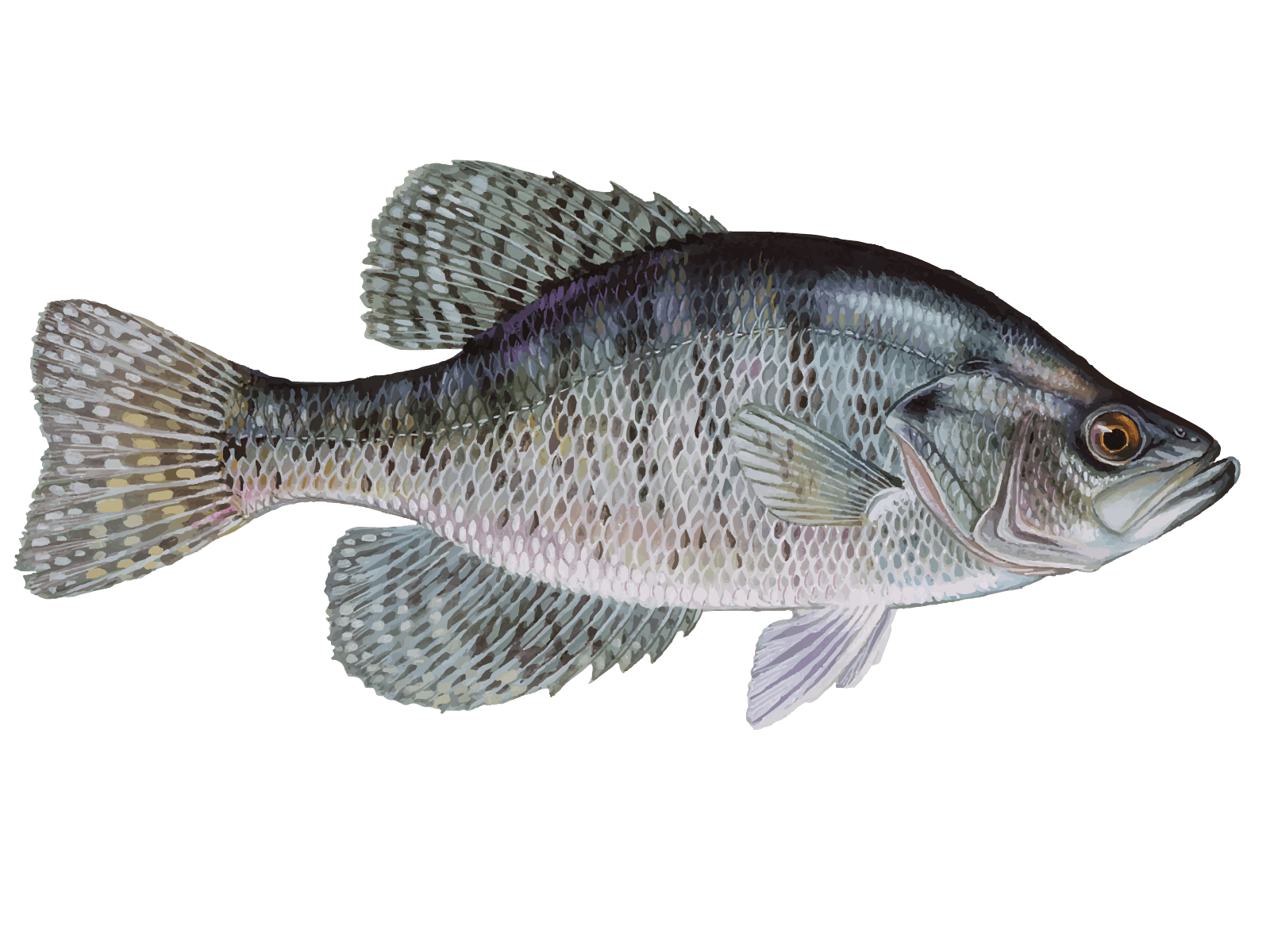
If you're looking for a scrappy, schooling game fish that's both fun to catch and delicious to eat, the Crappie (scientific name Pomoxis nigromaculatus for Black Crappie, Pomoxis annularis for White Crappie) is your answer. Belonging to the family Centrarchidae and order Perciformes, crappies are among the largest panfish in North America and are beloved by anglers from Mississippi's Grenada Lake to backyard ponds across the continent. What makes them special? Their distinctive appearance—Black Crappies sport a speckled pattern earning them the nickname 'specks,' while White Crappies display vertical bars—combined with their tendency to school together and their white, flaky, delicious meat make them an irresistible target for both recreational and food-oriented anglers.
Crappie Habitat and Distribution
Crappies are native to Canada and eastern North America, thriving throughout the Great Lakes, Hudson Bay, and Mississippi River Basins. You'll find them in rivers, lakes, and quiet backwater pools, preferring shallow waters where they can hide among vegetation, fallen trees, submerged bushes, and other cover. While both Black and White Crappies share similar habitats, Black Crappies tend to favor clearer water, whereas White Crappies are more adaptable to murky conditions. Major hotspots include Grenada Lake and Reelfoot Lake in Mississippi, where giant specimens are regularly caught. Their widespread distribution means excellent crappie fishing opportunities exist across North America, from urban reservoirs to remote wilderness lakes.
Crappie Size and Weight
Most Crappies you'll encounter measure between 7 to 12 inches and weigh roughly 0.5 to 1 pound—perfect panfish size for a satisfying meal or a fun afternoon of casting. However, trophy hunters shouldn't be discouraged; these fish can grow considerably larger. The size range for Crappies extends from a minimum of 4 inches up to an impressive 19 inches, with weights reaching up to 5 pounds in premier fishing destinations. The variation in size often depends on habitat quality, food availability, and fishing pressure in your region. Younger, schooling Crappies in crowded waters tend toward the smaller end, while isolated or well-managed populations produce the true giants that justify a special fishing trip.
Crappie Diet and Behavior
Crappies are opportunistic feeders with tastes that shift as they grow. Young Crappies consume zooplankton and small crustaceans, while juveniles graduate to insects and larvae. Mature fish add small minnows, threadfin shads, gizzard shads, and even the fry of other game fish to their diet. One of their most fascinating behavioral traits is their schooling nature—Crappies travel and hunt in loose to tight schools, making for explosive action when you locate a pod. They're also crepuscular hunters, meaning they're most active at dawn and dusk when light is low. During midday hours, they tend to retreat deeper and become sluggish, so timing your outings accordingly significantly improves your odds. Their less-aggressive daytime behavior contrasts sharply with their evening feeding frenzies, making early morning or late afternoon your best bets for consistent catches.
Crappie Spawning and Seasonal Activity
Crappie spawning season arrives in early spring and summer when water temperatures climb to between 62°F and 68°F—typically April through June depending on your location. During this period, male Crappies build shallow nests in soft or gravelly spots, often near cover. Females lay enormous clutches, depositing between 5,000 and 60,000 eggs per spawning event, which the males fiercely guard. Eggs hatch within 2 to 5 days, and the fry remain under paternal protection until they're large enough to fend for themselves. This spawning window makes spring an excellent time to target Crappies, as they concentrate in predictable shallow zones before scattering into deeper summer habitat. Fall often brings another minor feeding spike as water cools, making September and October secondary peak seasons in many regions.
Crappie Techniques for Observation and Capture
Spin and Jig Fishing: This remains the gold standard for Crappie anglers. Use light tackle with small spinners, crappie-specific jigs, or miniature crankbaits cast along the bottom and structure. Keep your presentation subtle and slow; Crappies have smaller mouths and prefer appropriately sized lures. Work edges near fallen timber, vegetation, and rocky outcrops where schools congregate. Around Mississippi's premier lakes, casting near cypress trees and submerged brush piles consistently produces excellent results. Retrieve steadily but not frantically, allowing the lure to wobble enticingly through the strike zone.
Live Bait and Bobber Rig: One of the most effective and beginner-friendly methods involves rigging live worms or small minnows beneath a bobber. Cast this simple setup near cover, vegetation, or drop-offs and let the current do the work. This passive approach is perfect for patience-testing days and often outproduces active casting during midday slumps. The bobber signals strikes visually, making it ideal for relaxing afternoon sessions or introducing youngsters to angling.
Fly Fishing for Crappie: Don't overlook the excitement of taking Crappies on the fly. Small streamers like the Clouser Minnow are particularly effective, as are soft hackles and nymphs. Dry flies work beautifully on still, calm mornings and evenings. Target the same structure—fallen trees, bushes, and weed edges—from which you'd spin fish. Fly fishing for Crappie is far less challenging than pursuing bass or pike, making it an excellent gateway into the sport for beginners.
Crappie Culinary and Nutritional Notes
Don't let the name fool you—Crappie is genuinely excellent eating and a nutritional powerhouse. The white, flaky meat is delicate and sweet with a flavor profile superior to many popular game fish. They're rich in high-quality protein and packed with omega-3 fatty acids, supporting heart and brain health. Because Crappies are relatively small fish compared to bass or catfish, mercury accumulation in their tissues is minimal, making them a safer choice for frequent consumption. When cooked properly—whether grilled, fried, baked, or poached—Crappie develops a tender, almost buttery texture that requires minimal preparation to shine. Their smaller size means quick, uniform cooking and minimal waste. Many regional cuisines, particularly in the South and Midwest, feature Crappie as a prized table fish, often pan-fried whole or filleted for classic fish fries.
Crappie Frequently Asked Questions
Q: What is the best bait or lure for catching Crappie?
A: Live minnows and worms under a bobber are classic choices that rarely fail. For lures, small jigs (1/16 to 1/8 ounce), crappie spinners, and miniature crankbaits excel. The Clouser Minnow fly is legendary for its effectiveness even on sluggish fish. Match your bait size to the Crappie's small mouth—not too large, not too small—and focus on structure like fallen trees and vegetation.
Q: Where can I find Crappie near major fishing regions like Mississippi?
A: Grenada Lake, Reelfoot Lake, and other major reservoirs throughout the Mississippi River Basin hold populations ranging from abundant to trophy-class. Rivers with backwater pools, quieter impoundments, and clear-water lakes across the Great Lakes region also offer excellent Crappie fishing. Check local regulations and consult regional guides for seasonal access and current conditions.
Q: Is Crappie good to eat, and how should I prepare it?
A: Absolutely. Crappie is considered a delicacy with tender, white, flaky meat and a mild, slightly sweet flavor. Pan-frying whole fish or fillets is popular, as is baking, grilling, and deep-frying. The small size means quick cooking. Its high protein and omega-3 content makes it nutritionally sound for regular consumption.
Q: When is the best time to catch Crappie?
A: Dawn and dusk are prime periods year-round when Crappies feed most actively. Spring (spawning season, April–June) concentrates fish in shallow areas, making them easier to locate. Fall (September–October) brings another feeding flurry as water cools. Midday fishing is possible but requires deeper presentations and patience.
Q: How do I distinguish between Black Crappie and White Crappie?
A: White Crappie display vertical bars along their body and possess 5–6 dorsal fin spines. Black Crappie are speckled overall (no distinct pattern) with 7–8 dorsal spines and a slightly larger mouth resembling a miniature largemouth bass. Black Crappie typically prefer clearer water.
Q: Can I fly fish for Crappie?
A: Yes, and it's highly rewarding. Fly fishing for Crappie is less challenging than pursuing larger game fish, making it perfect for intermediate anglers. Small streamers, soft hackles, nymphs, and dry flies all work well, especially near structure like fallen trees and vegetation. Use light tackle and present your fly calmly to schooling fish.