Catch Crappie on Lake Lewisville TX with Guide Chris
Crappie Fishing in Lake Lewisville - What to Expect

Guided Fishing Trip by Guide Chris Daugherty in November
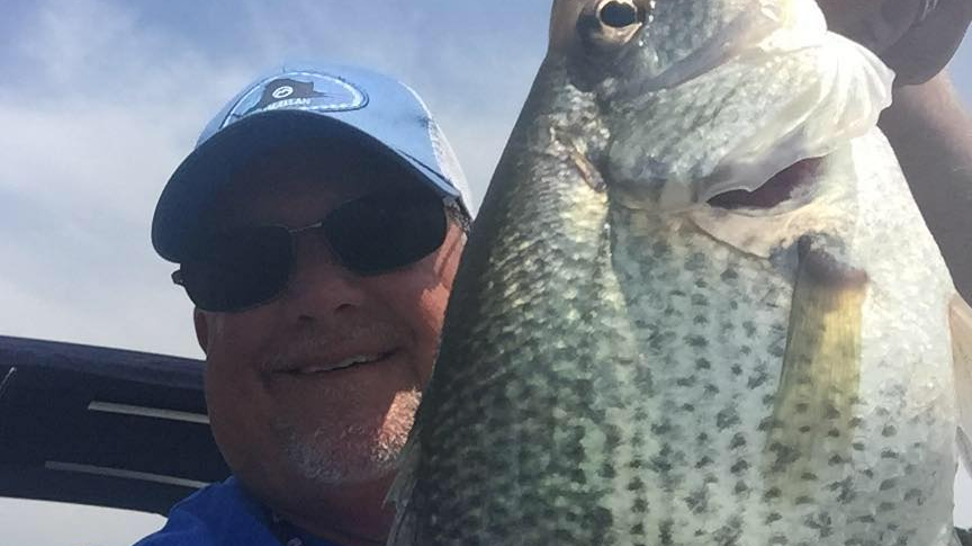
- Reel Adventure With Lewisville Lake Fishing Guide!


Summary
Join a guided fishing trip on Lake Lewisville where anglers consistently land crappie and other species. This Wednesday in October offers the perfect opportunity to fish with Chris Daugherty of Lakeside Guide Service, who knows these waters inside and out. Whether you're after your personal best or just looking to spend a day on the water, this is a chance to experience what makes local fishing memorable.
Fishing with Chris Daugherty - Rates & Booking
Guide Chris Daugherty of Lakeside Guide Service takes anglers out on Lake Lewisville for a guided fishing trip on Wednesday, October 28th. Chris brings years of local knowledge to every outing, helping both seasoned anglers and newcomers find success on the water. If you're interested in booking a trip or learning more about availability and rates, reach out to Lakeside Guide Service to reserve your spot.
When you book a guided trip with Chris, you're getting someone who understands the rhythms of Lake Lewisville and knows where the fish are holding. Whether it's your first time or you fish regularly, having a local guide who reads the water makes all the difference in your day.
Highlights of Your Lake Lewisville Experience
Lake Lewisville is a fantastic fishery with plenty of action throughout the year. The lake offers solid crappie populations along with other species that keep anglers engaged from sunrise to sunset. The setting is peaceful yet productive, giving you the chance to enjoy quality fishing time while taking in the natural surroundings that make this area special.
What makes fishing here rewarding is the consistency. Chris knows the best spots and techniques that work for the season. You'll be fishing productive water with someone who's been doing this long enough to adapt to conditions and help you make the most of your time on the lake.
Local Species Insights: Crappie
Crappie are one of the most enjoyable fish to pursue on Lake Lewisville. These panfish are known for their willingness to bite and their solid fighting ability for their size. Crappie typically relate to structure like fallen trees, brush piles, and deeper water transitions. They're most active during early morning and late afternoon, though they can bite throughout the day depending on conditions.
On Lake Lewisville, crappie can be found in various depths depending on the season and water temperature. Spring and fall tend to bring them to shallower water where they're easier to locate. They school together, so when you find one, others are usually nearby. Chris knows the seasonal patterns and where to find them, whether they're suspending over deep water or tucked against structure in shallower areas.
What makes crappie fishing special is that it's accessible for everyone. You don't need heavy equipment or advanced techniques. Good presentation, patience, and understanding what depth they prefer makes the difference. Having a guide like Chris who can explain what's happening and put you on fish makes the learning process faster and your day more successful. Crappie fights spiritedly for their size, and landing one is always a satisfying moment on the water.
Plan Your Fishing Day
A typical fishing trip with Chris starts early to take advantage of prime feeding times. You'll be on productive water where you have the best chance at consistent action. Chris handles the technical side - reading the water, adjusting presentations, and managing the boat - so you can focus on fishing and enjoying the experience.
The setting on Lake Lewisville is relaxed and scenic. You'll have time to talk with Chris about what's working, learn some local tips, and genuinely enjoy being out on the water. Whether you're fishing solo or bringing friends along, the pace is comfortable and the fishing is the priority.
Fishing in Lake Lewisville: Crappie
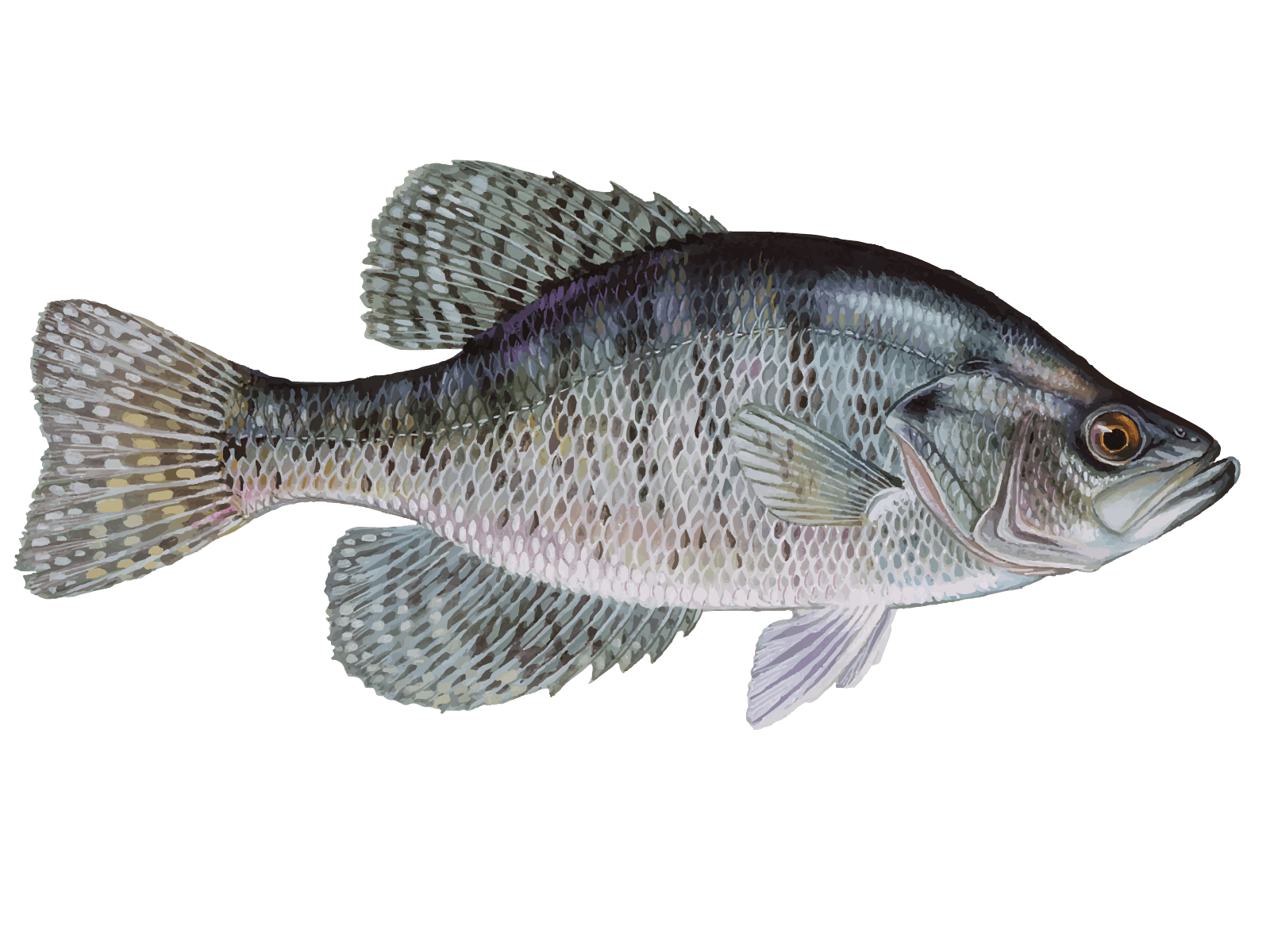
Crappie Overview
If you're looking for a scrappy, schooling game fish that's both fun to catch and delicious to eat, the Crappie (scientific name Pomoxis nigromaculatus for Black Crappie, Pomoxis annularis for White Crappie) is your answer. Belonging to the family Centrarchidae and order Perciformes, crappies are among the largest panfish in North America and are beloved by anglers from Mississippi's Grenada Lake to backyard ponds across the continent. What makes them special? Their distinctive appearance—Black Crappies sport a speckled pattern earning them the nickname 'specks,' while White Crappies display vertical bars—combined with their tendency to school together and their white, flaky, delicious meat make them an irresistible target for both recreational and food-oriented anglers.
Crappie Habitat and Distribution
Crappies are native to Canada and eastern North America, thriving throughout the Great Lakes, Hudson Bay, and Mississippi River Basins. You'll find them in rivers, lakes, and quiet backwater pools, preferring shallow waters where they can hide among vegetation, fallen trees, submerged bushes, and other cover. While both Black and White Crappies share similar habitats, Black Crappies tend to favor clearer water, whereas White Crappies are more adaptable to murky conditions. Major hotspots include Grenada Lake and Reelfoot Lake in Mississippi, where giant specimens are regularly caught. Their widespread distribution means excellent crappie fishing opportunities exist across North America, from urban reservoirs to remote wilderness lakes.
Crappie Size and Weight
Most Crappies you'll encounter measure between 7 to 12 inches and weigh roughly 0.5 to 1 pound—perfect panfish size for a satisfying meal or a fun afternoon of casting. However, trophy hunters shouldn't be discouraged; these fish can grow considerably larger. The size range for Crappies extends from a minimum of 4 inches up to an impressive 19 inches, with weights reaching up to 5 pounds in premier fishing destinations. The variation in size often depends on habitat quality, food availability, and fishing pressure in your region. Younger, schooling Crappies in crowded waters tend toward the smaller end, while isolated or well-managed populations produce the true giants that justify a special fishing trip.
Crappie Diet and Behavior
Crappies are opportunistic feeders with tastes that shift as they grow. Young Crappies consume zooplankton and small crustaceans, while juveniles graduate to insects and larvae. Mature fish add small minnows, threadfin shads, gizzard shads, and even the fry of other game fish to their diet. One of their most fascinating behavioral traits is their schooling nature—Crappies travel and hunt in loose to tight schools, making for explosive action when you locate a pod. They're also crepuscular hunters, meaning they're most active at dawn and dusk when light is low. During midday hours, they tend to retreat deeper and become sluggish, so timing your outings accordingly significantly improves your odds. Their less-aggressive daytime behavior contrasts sharply with their evening feeding frenzies, making early morning or late afternoon your best bets for consistent catches.
Crappie Spawning and Seasonal Activity
Crappie spawning season arrives in early spring and summer when water temperatures climb to between 62°F and 68°F—typically April through June depending on your location. During this period, male Crappies build shallow nests in soft or gravelly spots, often near cover. Females lay enormous clutches, depositing between 5,000 and 60,000 eggs per spawning event, which the males fiercely guard. Eggs hatch within 2 to 5 days, and the fry remain under paternal protection until they're large enough to fend for themselves. This spawning window makes spring an excellent time to target Crappies, as they concentrate in predictable shallow zones before scattering into deeper summer habitat. Fall often brings another minor feeding spike as water cools, making September and October secondary peak seasons in many regions.
Crappie Techniques for Observation and Capture
Spin and Jig Fishing: This remains the gold standard for Crappie anglers. Use light tackle with small spinners, crappie-specific jigs, or miniature crankbaits cast along the bottom and structure. Keep your presentation subtle and slow; Crappies have smaller mouths and prefer appropriately sized lures. Work edges near fallen timber, vegetation, and rocky outcrops where schools congregate. Around Mississippi's premier lakes, casting near cypress trees and submerged brush piles consistently produces excellent results. Retrieve steadily but not frantically, allowing the lure to wobble enticingly through the strike zone.
Live Bait and Bobber Rig: One of the most effective and beginner-friendly methods involves rigging live worms or small minnows beneath a bobber. Cast this simple setup near cover, vegetation, or drop-offs and let the current do the work. This passive approach is perfect for patience-testing days and often outproduces active casting during midday slumps. The bobber signals strikes visually, making it ideal for relaxing afternoon sessions or introducing youngsters to angling.
Fly Fishing for Crappie: Don't overlook the excitement of taking Crappies on the fly. Small streamers like the Clouser Minnow are particularly effective, as are soft hackles and nymphs. Dry flies work beautifully on still, calm mornings and evenings. Target the same structure—fallen trees, bushes, and weed edges—from which you'd spin fish. Fly fishing for Crappie is far less challenging than pursuing bass or pike, making it an excellent gateway into the sport for beginners.
Crappie Culinary and Nutritional Notes
Don't let the name fool you—Crappie is genuinely excellent eating and a nutritional powerhouse. The white, flaky meat is delicate and sweet with a flavor profile superior to many popular game fish. They're rich in high-quality protein and packed with omega-3 fatty acids, supporting heart and brain health. Because Crappies are relatively small fish compared to bass or catfish, mercury accumulation in their tissues is minimal, making them a safer choice for frequent consumption. When cooked properly—whether grilled, fried, baked, or poached—Crappie develops a tender, almost buttery texture that requires minimal preparation to shine. Their smaller size means quick, uniform cooking and minimal waste. Many regional cuisines, particularly in the South and Midwest, feature Crappie as a prized table fish, often pan-fried whole or filleted for classic fish fries.
Crappie Frequently Asked Questions
Q: What is the best bait or lure for catching Crappie?
A: Live minnows and worms under a bobber are classic choices that rarely fail. For lures, small jigs (1/16 to 1/8 ounce), crappie spinners, and miniature crankbaits excel. The Clouser Minnow fly is legendary for its effectiveness even on sluggish fish. Match your bait size to the Crappie's small mouth—not too large, not too small—and focus on structure like fallen trees and vegetation.
Q: Where can I find Crappie near major fishing regions like Mississippi?
A: Grenada Lake, Reelfoot Lake, and other major reservoirs throughout the Mississippi River Basin hold populations ranging from abundant to trophy-class. Rivers with backwater pools, quieter impoundments, and clear-water lakes across the Great Lakes region also offer excellent Crappie fishing. Check local regulations and consult regional guides for seasonal access and current conditions.
Q: Is Crappie good to eat, and how should I prepare it?
A: Absolutely. Crappie is considered a delicacy with tender, white, flaky meat and a mild, slightly sweet flavor. Pan-frying whole fish or fillets is popular, as is baking, grilling, and deep-frying. The small size means quick cooking. Its high protein and omega-3 content makes it nutritionally sound for regular consumption.
Q: When is the best time to catch Crappie?
A: Dawn and dusk are prime periods year-round when Crappies feed most actively. Spring (spawning season, April–June) concentrates fish in shallow areas, making them easier to locate. Fall (September–October) brings another feeding flurry as water cools. Midday fishing is possible but requires deeper presentations and patience.
Q: How do I distinguish between Black Crappie and White Crappie?
A: White Crappie display vertical bars along their body and possess 5–6 dorsal fin spines. Black Crappie are speckled overall (no distinct pattern) with 7–8 dorsal spines and a slightly larger mouth resembling a miniature largemouth bass. Black Crappie typically prefer clearer water.
Q: Can I fly fish for Crappie?
A: Yes, and it's highly rewarding. Fly fishing for Crappie is less challenging than pursuing larger game fish, making it perfect for intermediate anglers. Small streamers, soft hackles, nymphs, and dry flies all work well, especially near structure like fallen trees and vegetation. Use light tackle and present your fly calmly to schooling fish.