Crappie and Catfish Catch in Lewisville TX
Crappie and Catfish Fishing in Lewisville - What to Expect

Guided Fishing Trip by Guide Chris Daugherty in November
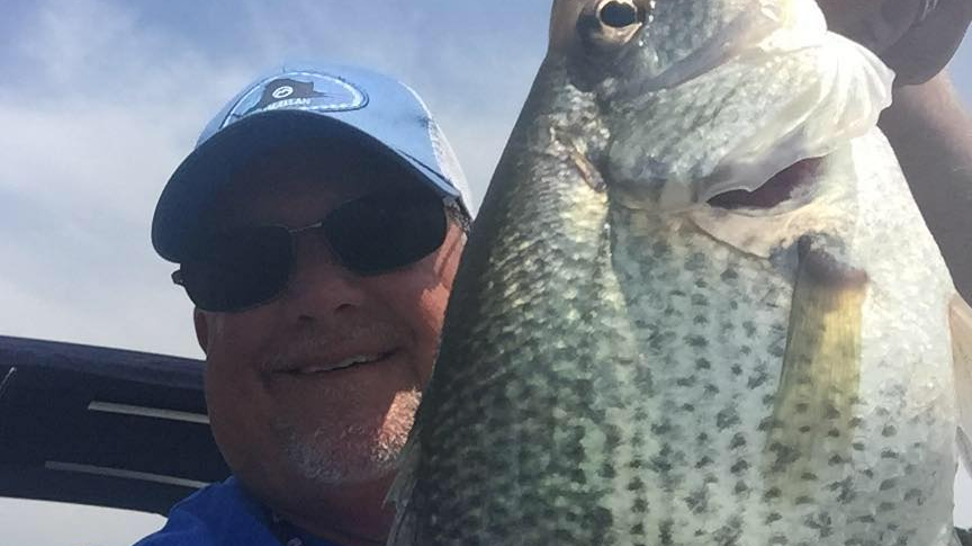
- Reel Adventure With Lewisville Lake Fishing Guide!


Summary
This guided fishing trip on Lake Lewisville captures a successful crappie and channel catfish outing on Wednesday, October 28. Working with Guide Chris Daugherty through Lakeside Guide Service, anglers target both species using proven techniques suited to their behavior and habitat preferences.
Fishing with Chris Daugherty - Rates & Booking
Guide Chris Daugherty of Lakeside Guide Service on Lake Lewisville offers guided fishing trips targeting crappie, channel catfish, and other species throughout the season. Trips are customized to match your skill level and target species preferences. For current rates, availability, and booking options, contact Lakeside Guide Service directly to reserve your guided experience on the water.
Highlights of Guided Fishing on Lake Lewisville
Lake Lewisville is a premier freshwater fishery known for consistent crappie and catfish populations. The lake's structure provides excellent habitat for both species, with channels, drop-offs, and cover areas that concentrate fish throughout the year. Guided trips focus on locating these fish using proven methods and understanding seasonal patterns.
Working with a local guide means accessing insider knowledge about where fish hold at different times, what presentations they respond to, and how weather and water conditions influence their behavior. This expertise dramatically improves your chances of connecting with quality crappie and catfish.
Local Species Insights: Crappie and Channel Catfish
Crappie are aggressive predators that respond well to small jigs, minnows, and live bait presentations. These panfish often school around structure like fallen trees, brush piles, and dock pilings. Crappie tend to be most active during dawn and dusk, though they can be caught throughout the day when you locate their exact positions. They're strong fighters for their size and provide excellent eating quality, making them a favorite target for many anglers.
Channel catfish are bottom feeders that hunt primarily by smell and taste rather than sight. They thrive in freshwater reservoirs like Lake Lewisville, where they grow to impressive sizes. Channel catfish exhibit predictable behavior patterns - they're often most active at night and during low-light periods, though they'll feed during the day in deeper channels and near current breaks. Understanding catfish habitat preferences helps you position baits in high-percentage zones. Live bluegill, cut shad, and chicken liver are proven baits that trigger aggressive feeding responses.
The combination of crappie and catfish fishing provides diverse techniques and experiences on the same trip. Crappie fishing involves active presentations and casting, while catfish pursuits employ patient soaking techniques with quality bait. Lake Lewisville's depth and structure support both approaches effectively.
Seasonal patterns matter significantly for both species. Water temperature, light levels, and forage availability shift throughout the year, influencing where and when fish feed most aggressively. Local guides understand these patterns intimately, allowing them to adapt tactics to current conditions and maximize your success rate.
Fishing in Lake Lewisville: Channel Catfish and Crappie
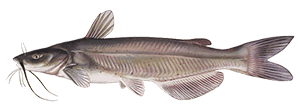
Channel Catfish Overview
The Channel Catfish (Ictalurus Punctatus), a member of the family Ictaluridae and order Siluriformes, stands out as one of North America's most beloved and resilient gamefish. These whiskered warriors are easily recognized by their slime-covered bodies, prominent barbels, and deeply forked tails that cut through the water like an upside-down V. What makes them truly remarkable is that their entire body is covered in taste buds—yes, their skin can literally taste—which gives them an almost supernatural ability to hunt in the murkiest conditions. Channel Catfish have been a staple for anglers across countless rivers and lakes for generations, and their reputation for hard-fighting spirit combined with their willingness to bite makes them an excellent target for both novice and experienced fishermen alike.
Channel Catfish Habitat and Distribution
Channel Catfish thrive in a wide variety of freshwater environments, showing a strong preference for reservoirs, lakes, and river systems throughout North America. These adaptable fish are particularly fond of areas with structure—river bends, deep channels, rocky wrecks, and tidal mouths all provide ideal habitat. They prefer warm waters and can tolerate both clear and muddy conditions, though they seem equally content in either. Look for them near debris piles, hollow logs, and underwater cavities where they like to hide and spawn. Across the continent, from small regional waterways to major river systems, the Channel Catfish has established itself as a native species that's become synonymous with successful weekend fishing trips.
Channel Catfish Size and Weight
Most Channel Catfish anglers can expect to land fish ranging from 15 to 25 inches in length, typically weighing between 2 to 4 pounds. However, these fish can grow significantly larger under the right conditions. Many seasoned anglers consider a 10-pound specimen admirable, while a 20-pounder is truly impressive. Historical records show Channel Catfish have been documented at weights approaching 58 pounds, though such trophies are exceptionally rare. The average catch provides excellent action and sport, making them perfect for a satisfying day on the water without requiring specialized equipment or extreme dedication.
Channel Catfish Diet and Behavior
Channel Catfish are opportunistic omnivores with remarkable sensory capabilities. They spend much of their time feeding along the bottom, searching for vegetation, aquatic insects, snails, crawfish, seeds, and smaller fish. As they mature, their diet becomes increasingly varied and their appetite more aggressive. What sets them apart behaviorally is their reliance on taste rather than sight—their barbels and taste-bud-covered bodies allow them to navigate and hunt effectively even in total darkness or cloudy water. They communicate with each other through sound waves, creating clicks and grunts that serve various social functions. During daylight hours, they often retreat to deeper holes and cavities, becoming more active at dawn, dusk, and throughout the night. This nocturnal tendency makes evening and night fishing particularly productive.
Channel Catfish Spawning and Seasonal Activity
Channel Catfish are most active during warmer months, with peak feeding and spawning occurring in spring and summer when water temperatures climb. Spawning typically happens in late spring when they seek out cavities, crevices, and hollow structures to deposit eggs and protect them from rushing currents. Males become particularly aggressive during this period, actively defending nesting sites. Fall and winter see reduced activity, though hungry Channel Catfish will still bite under the right conditions. The species grows best in warm environments, so understanding seasonal temperature changes in your local water helps predict when and where to find them most reliably.
Channel Catfish Techniques for Observation and Capture
Bait Selection and Rod Setup: The most effective approach involves using stinkbait, which appeals specifically to Channel Catfish due to its pungent amino acid profile—particularly L-Arginine and L-Alanine—that creates an irresistible scent trail. Alternative baits include cheese-based fibrous preparations, live minnows, and worms. Pair your bait with a 7 to 7.6-foot fishing rod featuring a strong backbone capable of handling their weight and powerful runs. Sharp, oversized treble hooks are essential for penetrating their notoriously hard mouths and preventing escape. Cast near structure—river bends, debris piles, and channel drop-offs—and let your bait settle to the bottom where these bottom-feeders naturally hunt.
Location and Timing: Fish river tidal mouths and bends during slack tide or incoming water when Channel Catfish are most active. Early evening through midnight represents prime fishing time, though they'll bite throughout the day if conditions are right. Position yourself near wrecks, submerged logs, or deep holes where they shelter. Around major rivers and reservoir systems, focus on transition zones where shallow flats meet deeper channels—these are natural highways for foraging fish.
Handling and Safety: Once hooked, Channel Catfish fight hard and can be slippery due to their protective slime coating. Approach them with respect: their dorsal and pectoral fins sport sharp spines capable of inflicting painful cuts. Keep a secure grip, use a net when possible, and be prepared for a spirited struggle. These fish are remarkably difficult to tire, often requiring patience and steady pressure to bring to boat or shore.
Channel Catfish Culinary and Utilization Notes
Channel Catfish have long been valued as a food fish, particularly in Southern cuisine, and they offer mild, slightly sweet white meat that's excellent when properly prepared. Fried, baked, or blackened, they provide a reliable source of lean protein. The average odds for food quality are solid, making them a practical choice for anglers interested in both sport and a fresh meal. Their sustainability as a native species and relative abundance means harvesting them responsibly supports both tradition and local ecosystems. Always check local regulations regarding size and bag limits to ensure ethical and legal harvest.
Channel Catfish Frequently Asked Questions
Q: What is the best bait for catching Channel Catfish?
A: Stinkbait is widely considered the gold standard due to its powerful amino acid scent profile that Channel Catfish find irresistible. However, live minnows, chicken liver, and cheese-based baits also produce excellent results. The key is using something with a strong scent that will disperse through the water column, allowing these taste-sensitive fish to locate your offering from a distance.
Q: What rod and reel setup do I need for Channel Catfish?
A: A 7 to 7.6-foot rod with a strong backbone and a quality baitcasting or spinning reel capable of handling 15-25 pound test line is ideal. The longer rod length allows for better casting distance and more effective presentation techniques like pitching and flipping. Ensure your rod has enough power to handle their runs and head shakes without breaking.
Q: When is the best time to fish for Channel Catfish?
A: Evening through midnight is prime time, though they bite throughout the day. Spring and summer offer the most consistent action when water temperatures are warmest. Look for them during periods of low light when they're naturally more active feeders. Overcast days can also be productive as they're less sight-dependent than other species.
Q: Where can I find Channel Catfish near popular fishing destinations?
A: Focus on river bends, tidal mouths, deep channels, and areas with submerged structure like logs, rocks, and debris piles. Reservoirs and larger lakes with significant depth variation are excellent choices. Check local fishing reports and ask at bait shops—they'll know the most productive spots in your region and current conditions.
Q: Why do Channel Catfish have those long whiskers?
A: Those barbels aren't just for show—they're sensory organs packed with taste receptors that help compensate for relatively poor vision. In murky water or darkness, these whiskers allow them to navigate and locate food with remarkable precision. Their entire body, in fact, is covered with taste buds, giving them an almost superhuman ability to detect prey.
Q: Are Channel Catfish good to eat?
A: Absolutely. They provide mild, slightly sweet white meat that's excellent when fried, baked, or blackened. They're a traditional food fish, especially in Southern cuisine, and offer good nutritional value as a lean protein source. Always follow local size and bag limit regulations, and consider harvest sustainability based on your local fishery's management guidelines.
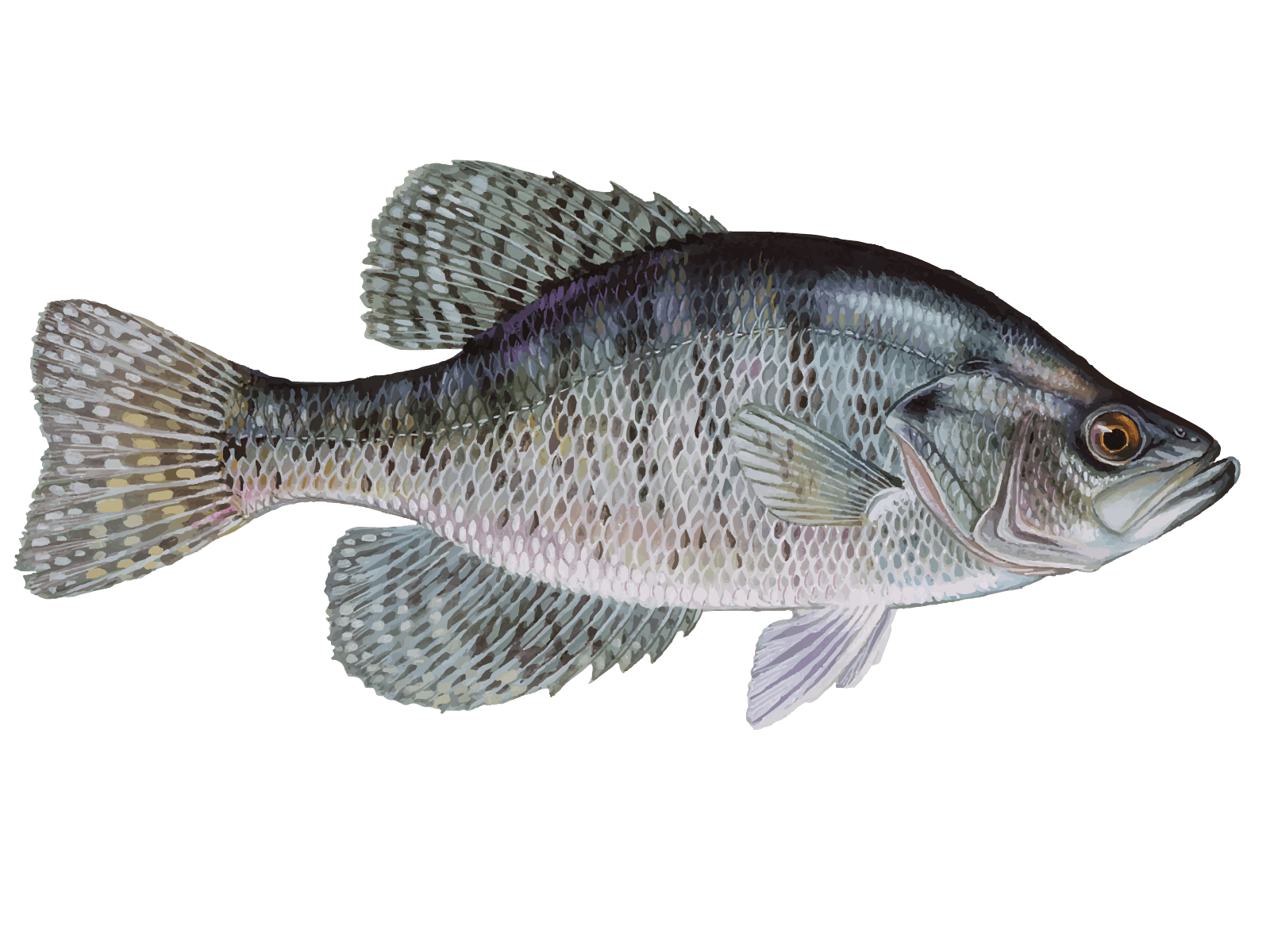
Crappie Overview
If you're looking for a scrappy, schooling game fish that's both fun to catch and delicious to eat, the Crappie (scientific name Pomoxis nigromaculatus for Black Crappie, Pomoxis annularis for White Crappie) is your answer. Belonging to the family Centrarchidae and order Perciformes, crappies are among the largest panfish in North America and are beloved by anglers from Mississippi's Grenada Lake to backyard ponds across the continent. What makes them special? Their distinctive appearance—Black Crappies sport a speckled pattern earning them the nickname 'specks,' while White Crappies display vertical bars—combined with their tendency to school together and their white, flaky, delicious meat make them an irresistible target for both recreational and food-oriented anglers.
Crappie Habitat and Distribution
Crappies are native to Canada and eastern North America, thriving throughout the Great Lakes, Hudson Bay, and Mississippi River Basins. You'll find them in rivers, lakes, and quiet backwater pools, preferring shallow waters where they can hide among vegetation, fallen trees, submerged bushes, and other cover. While both Black and White Crappies share similar habitats, Black Crappies tend to favor clearer water, whereas White Crappies are more adaptable to murky conditions. Major hotspots include Grenada Lake and Reelfoot Lake in Mississippi, where giant specimens are regularly caught. Their widespread distribution means excellent crappie fishing opportunities exist across North America, from urban reservoirs to remote wilderness lakes.
Crappie Size and Weight
Most Crappies you'll encounter measure between 7 to 12 inches and weigh roughly 0.5 to 1 pound—perfect panfish size for a satisfying meal or a fun afternoon of casting. However, trophy hunters shouldn't be discouraged; these fish can grow considerably larger. The size range for Crappies extends from a minimum of 4 inches up to an impressive 19 inches, with weights reaching up to 5 pounds in premier fishing destinations. The variation in size often depends on habitat quality, food availability, and fishing pressure in your region. Younger, schooling Crappies in crowded waters tend toward the smaller end, while isolated or well-managed populations produce the true giants that justify a special fishing trip.
Crappie Diet and Behavior
Crappies are opportunistic feeders with tastes that shift as they grow. Young Crappies consume zooplankton and small crustaceans, while juveniles graduate to insects and larvae. Mature fish add small minnows, threadfin shads, gizzard shads, and even the fry of other game fish to their diet. One of their most fascinating behavioral traits is their schooling nature—Crappies travel and hunt in loose to tight schools, making for explosive action when you locate a pod. They're also crepuscular hunters, meaning they're most active at dawn and dusk when light is low. During midday hours, they tend to retreat deeper and become sluggish, so timing your outings accordingly significantly improves your odds. Their less-aggressive daytime behavior contrasts sharply with their evening feeding frenzies, making early morning or late afternoon your best bets for consistent catches.
Crappie Spawning and Seasonal Activity
Crappie spawning season arrives in early spring and summer when water temperatures climb to between 62°F and 68°F—typically April through June depending on your location. During this period, male Crappies build shallow nests in soft or gravelly spots, often near cover. Females lay enormous clutches, depositing between 5,000 and 60,000 eggs per spawning event, which the males fiercely guard. Eggs hatch within 2 to 5 days, and the fry remain under paternal protection until they're large enough to fend for themselves. This spawning window makes spring an excellent time to target Crappies, as they concentrate in predictable shallow zones before scattering into deeper summer habitat. Fall often brings another minor feeding spike as water cools, making September and October secondary peak seasons in many regions.
Crappie Techniques for Observation and Capture
Spin and Jig Fishing: This remains the gold standard for Crappie anglers. Use light tackle with small spinners, crappie-specific jigs, or miniature crankbaits cast along the bottom and structure. Keep your presentation subtle and slow; Crappies have smaller mouths and prefer appropriately sized lures. Work edges near fallen timber, vegetation, and rocky outcrops where schools congregate. Around Mississippi's premier lakes, casting near cypress trees and submerged brush piles consistently produces excellent results. Retrieve steadily but not frantically, allowing the lure to wobble enticingly through the strike zone.
Live Bait and Bobber Rig: One of the most effective and beginner-friendly methods involves rigging live worms or small minnows beneath a bobber. Cast this simple setup near cover, vegetation, or drop-offs and let the current do the work. This passive approach is perfect for patience-testing days and often outproduces active casting during midday slumps. The bobber signals strikes visually, making it ideal for relaxing afternoon sessions or introducing youngsters to angling.
Fly Fishing for Crappie: Don't overlook the excitement of taking Crappies on the fly. Small streamers like the Clouser Minnow are particularly effective, as are soft hackles and nymphs. Dry flies work beautifully on still, calm mornings and evenings. Target the same structure—fallen trees, bushes, and weed edges—from which you'd spin fish. Fly fishing for Crappie is far less challenging than pursuing bass or pike, making it an excellent gateway into the sport for beginners.
Crappie Culinary and Nutritional Notes
Don't let the name fool you—Crappie is genuinely excellent eating and a nutritional powerhouse. The white, flaky meat is delicate and sweet with a flavor profile superior to many popular game fish. They're rich in high-quality protein and packed with omega-3 fatty acids, supporting heart and brain health. Because Crappies are relatively small fish compared to bass or catfish, mercury accumulation in their tissues is minimal, making them a safer choice for frequent consumption. When cooked properly—whether grilled, fried, baked, or poached—Crappie develops a tender, almost buttery texture that requires minimal preparation to shine. Their smaller size means quick, uniform cooking and minimal waste. Many regional cuisines, particularly in the South and Midwest, feature Crappie as a prized table fish, often pan-fried whole or filleted for classic fish fries.
Crappie Frequently Asked Questions
Q: What is the best bait or lure for catching Crappie?
A: Live minnows and worms under a bobber are classic choices that rarely fail. For lures, small jigs (1/16 to 1/8 ounce), crappie spinners, and miniature crankbaits excel. The Clouser Minnow fly is legendary for its effectiveness even on sluggish fish. Match your bait size to the Crappie's small mouth—not too large, not too small—and focus on structure like fallen trees and vegetation.
Q: Where can I find Crappie near major fishing regions like Mississippi?
A: Grenada Lake, Reelfoot Lake, and other major reservoirs throughout the Mississippi River Basin hold populations ranging from abundant to trophy-class. Rivers with backwater pools, quieter impoundments, and clear-water lakes across the Great Lakes region also offer excellent Crappie fishing. Check local regulations and consult regional guides for seasonal access and current conditions.
Q: Is Crappie good to eat, and how should I prepare it?
A: Absolutely. Crappie is considered a delicacy with tender, white, flaky meat and a mild, slightly sweet flavor. Pan-frying whole fish or fillets is popular, as is baking, grilling, and deep-frying. The small size means quick cooking. Its high protein and omega-3 content makes it nutritionally sound for regular consumption.
Q: When is the best time to catch Crappie?
A: Dawn and dusk are prime periods year-round when Crappies feed most actively. Spring (spawning season, April–June) concentrates fish in shallow areas, making them easier to locate. Fall (September–October) brings another feeding flurry as water cools. Midday fishing is possible but requires deeper presentations and patience.
Q: How do I distinguish between Black Crappie and White Crappie?
A: White Crappie display vertical bars along their body and possess 5–6 dorsal fin spines. Black Crappie are speckled overall (no distinct pattern) with 7–8 dorsal spines and a slightly larger mouth resembling a miniature largemouth bass. Black Crappie typically prefer clearer water.
Q: Can I fly fish for Crappie?
A: Yes, and it's highly rewarding. Fly fishing for Crappie is less challenging than pursuing larger game fish, making it perfect for intermediate anglers. Small streamers, soft hackles, nymphs, and dry flies all work well, especially near structure like fallen trees and vegetation. Use light tackle and present your fly calmly to schooling fish.