Crappie Fishing in Lewisville TX with Guide Chris Daugherty
Crappie Fishing in Lewisville - What to Expect

Guided Fishing Trip by Guide Chris Daugherty in November
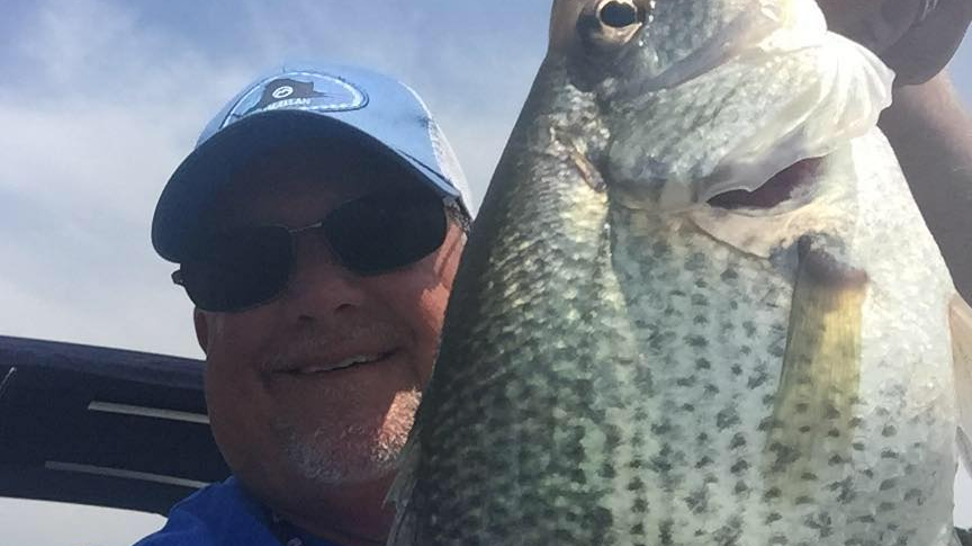
- Reel Adventure With Lewisville Lake Fishing Guide!


Summary
This guided fishing trip on Lake Lewisville showcases the crappie-rich waters that make this destination a premier fishing location. On Wednesday, October, anglers working with guide Chris Daugherty landed impressive catches, demonstrating the consistent success possible when targeting crappie with expert local knowledge and proven techniques.
Guided Fishing Trip with Chris Daugherty of Lakeside Guide Service - Rates & Booking
Guide Chris Daugherty of Lakeside Guide Service leads fishing trips on Lake Lewisville, one of the most productive crappie waters in the region. When you book a guided fishing trip with Chris, you're accessing years of local expertise and understanding of the lake's structure, seasonal patterns, and fish behavior. Contact Lakeside Guide Service to check availability and reserve your spot on the water.
Highlights of Lake Lewisville Fishing
Lake Lewisville's crappie fishing stands out for its consistency and quality. The lake's extensive structure, submerged timber, and deep channels create ideal habitat for both black and white crappie. During your guided trip, you'll learn how to identify productive water, read depth changes, and position your boat where crappie congregate. Chris's experience includes recognizing seasonal movement patterns and adjusting tactics based on water temperature and conditions.
The visual proof of success appears throughout the lake - anglers regularly land substantial catches when they understand where crappie hold and what presentations they'll respond to. Your guide provides the knowledge that transforms random casting into targeted, deliberate fishing that produces results.
Crappie Behavior and Lake Lewisville Conditions
Crappie are structure-oriented fish that relate heavily to cover and depth transitions. Lake Lewisville offers abundant woody habitat - fallen trees, stumps, and brush piles that crappie use for shelter and hunting. Understanding this behavior is central to successful crappie fishing. When water temperatures drop, crappie migrate toward deeper channels and main lake structure. During warming periods, they move toward shallow cover in creek arms and backwater areas.
Crappie respond to light presentations and smaller baits compared to many other freshwater species. Live minnows, small jigs, and panfish-style lures match their feeding preferences. Size matters too - crappie have relatively small mouths, so properly scaled tackle increases hook-up rates and landing success. Guides like Chris understand these nuances and adjust presentations based on what the fish are telling you during your trip.
Lake Lewisville's water clarity, depth range, and seasonal patterns create conditions where crappie fishing remains productive throughout much of the year. Spring typically sees active shallow-water feeding as fish prepare to spawn. Summer moves crappie deeper around structure and channel breaks. Fall brings another active period as crappie feed aggressively before cooler months. Winter fishing requires patience and precise positioning but produces quality catches for anglers willing to work deeper water.
Your guide manages boat positioning, reads structure effectively, and knows the specific locations where crappie congregate. This local knowledge eliminates guesswork and focuses your effort on water that holds fish. You'll learn practical skills - how to work edges between shallow and deep water, recognize subtle depth changes on your sounder, and present your bait to trigger strikes.
Plan Your Crappie Fishing Day
A guided fishing trip provides structured time on productive water with someone who understands Lake Lewisville's unique characteristics. Your guide handles navigation, tackle adjustments, and strategic decisions while you focus on casting, feeling strikes, and bringing fish to the boat. This division of responsibility makes fishing more enjoyable and consistently more successful than going it alone.
Bring sunscreen, polarized sunglasses, and comfortable clothing appropriate for Texas weather. Your guide will advise on specific tackle and techniques before your trip. The best fishing often happens during low-light periods - early morning and late afternoon - when crappie feed most aggressively. Expect a physically engaging experience that rewards patience and attention to what the guide is teaching you about fish location and presentation.